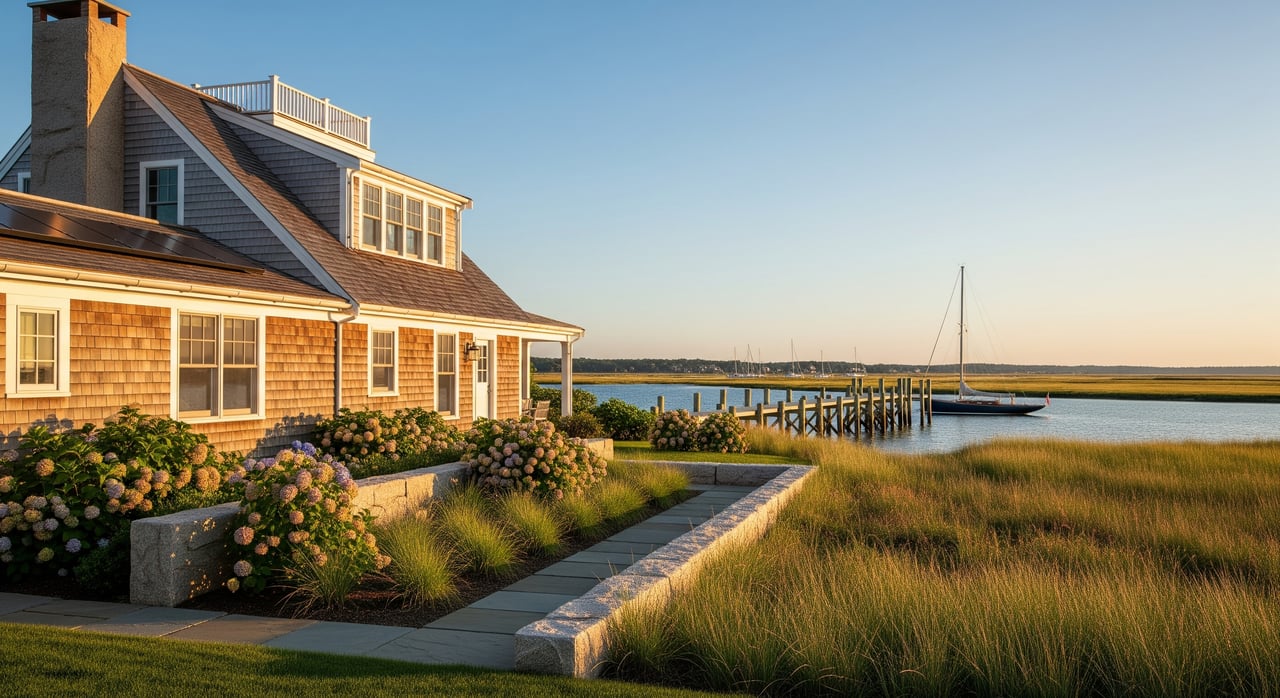
Owning a Cape or Islands home is about more than the sale price. Coastal living brings unique ongoing costs that can surprise even experienced buyers, especially if you plan to use the property seasonally. If you understand these expenses upfront, you can enjoy your home without last‑minute scrambles or budget stress.
This guide walks you through the real carrying costs common in Barnstable and the nearby islands, plus practical steps to plan and control them. You will learn where costs tend to run higher, what to verify during due diligence, and how to set up a smart annual budget. Let’s dive in.
Key costs to expect
Insurance on the coast
Coastal homes often require specialized coverage. A standard homeowners policy may exclude flood or limit wind coverage. Flood insurance is available through the National Flood Insurance Program and private carriers, and premiums depend on flood zone, elevation, and mitigation features. You can review eligibility and basics through the FEMA National Flood Insurance Program.
Location and building details drive price. Properties closer to open water or within certain FEMA zones generally cost more to insure. Check your specific risk on the FEMA Flood Map Service Center. Insurers may require windstorm endorsements or impose separate wind deductibles. For consumer guidance on what coverage types and disclosures are expected in Massachusetts, review the Massachusetts Division of Insurance.
Practical ways to improve insurability include obtaining an elevation certificate, documenting roof and window upgrades, installing storm shutters, and confirming that heating, electrical, and plumbing systems meet your insurer’s standards. If you intend to rent short term, disclose it. Some carriers require special endorsements for short‑term rentals.
Utilities and fuels
Electricity on Cape Cod is served mainly by Eversource, and coastal storms can increase outage risk. Many owners add a transfer switch or standby generator and budget for maintenance. Heating fuel is often oil or propane rather than natural gas, especially on the islands. Prices fluctuate with markets, so keep an eye on trends from the U.S. Energy Information Administration and plan for seasonal deliveries.
Internet and cellular coverage can vary in outlying or island locations. Reliable broadband may require higher‑tier service or equipment, and some providers add travel or setup fees in harder‑to‑reach areas.
Water, sewer, and septic
Many Barnstable‑area homes use private wells and septic systems. Routine septic maintenance is essential. Massachusetts Title 5 rules apply at sale and for certain system changes, which you can review through the Massachusetts Department of Environmental Protection. For upkeep guidance, the EPA’s septic resources note that many systems should be pumped every three to five years, depending on usage and tank size.
If you are on municipal water and sewer, confirm rate schedules, seasonal billing, and any connection fees. Private well owners should plan for periodic testing and potential equipment repairs.
Trash, recycling, and bulky items
Trash and recycling services vary by village and season. The Town of Barnstable posts schedules, fee information, and programs through its public works resources. Review local rules and permitted haulers on the Town of Barnstable website before you set up service or plan bulky waste disposal.
Seasonal maintenance needs
Winterize and reopen
If your home will sit vacant for stretches, budget for winterization and spring opening. Common tasks include draining or antifreezing plumbing, protecting irrigation lines, servicing HVAC, and checking for leaks on reopening. Many owners also use dehumidifiers or smart monitoring to manage humidity.
Storm prep and recovery
Coastal storms can require pre‑storm boarding or shuttering, moving outdoor furniture, clearing gutters, and securing docks or equipment. After a storm, you may face debris removal, emergency tarping, or repairs. Set aside funds and keep a trusted contractor list ready for faster response.
Erosion, dunes, and coastal permits
If your property is near the shoreline, dune stabilization, sand fencing, or seawall work may require permits and specialized contractors. Start with regional context from the Cape Cod Commission and verify any local permitting requirements before planning coastal work. These projects can be costly and often take longer than inland repairs due to environmental rules and lead times.
Property services to consider
Caretaking and home checks
Seasonal owners frequently hire a caretaker or keyholder for regular house checks, storm follow‑ups, and to coordinate cleaners and trades. Travel distance and peak season demand can raise prices, especially for island properties.
Landscaping, snow, and pest control
Coastal landscaping can require dune‑friendly practices and attention to protected areas. On the Cape, snow and ice removal remain part of winter budgets. Pest control is a year‑round item in humid environments. Ask vendors about off‑season pricing versus peak‑season premiums.
Island logistics and ferries
If you own on Martha’s Vineyard or Nantucket, transportation and storage add up. The Steamship Authority handles most vehicle and passenger service from Hyannis, and vehicle reservations are limited in peak months. Review current schedules and vehicle policies with the Steamship Authority. Hy‑Line provides additional passenger service; check options with Hy‑Line Cruises.
Factor in long‑term mainland parking, freight surcharges for furniture or appliances, contractor travel time, and possible weather‑related cancellations. A small contingency fund can cover unexpected hotel nights or rescheduling costs when seas are rough.
Rules, taxes, and rentals
HOA or condo fees vary based on services like plowing, landscaping, insurance, and reserve funding. If you plan short‑term rentals, confirm local registration, safety requirements, and lodging taxes with the appropriate town office. Coastal work may also trigger local conservation and state permitting, so coordinate early to avoid delays or fines.
Build a realistic annual budget
Sample line items
Use this framework to build your first‑year plan. Adjust with property‑specific quotes.
- Insurance premiums: homeowners, wind or hurricane endorsements, flood, and umbrella liability
- Utilities and fuel: electricity, heating oil or propane, water, sewer or septic pumping, trash and recycling
- Routine maintenance: HVAC service, roof and gutter cleaning, chimney service, pest control
- Seasonal services: winterization, spring opening, caretaker and house checks
- Exterior and coastal upkeep: painting and deck repairs, dune or beach work where permitted
- Logistics: ferry fares, vehicle transport, freight, and long‑term parking if relevant
- HOA or condo fees, permits, local registrations, and property taxes
- Storm and repair reserve: a dedicated fund for emergency work and temporary lodging
Many advisors suggest budgeting 1 to 3 percent of a home’s value annually for maintenance. On the Cape and Islands, plan toward the higher end or above, such as 2 to 4 percent, due to salt air, storms, and intermittent occupancy. Insurance and fuel can swing year to year, so leave room for variability.
Smart planning moves
- Request multiple insurance quotes and ask about credits for elevation certificates and wind‑mitigation upgrades. Compare NFIP with private flood options via the FEMA NFIP overview.
- Price out oil or propane plans and watch market trends via the EIA. Consider backup power for outages.
- Confirm septic status and maintenance intervals with Title 5 and the MassDEP, then follow EPA guidance on pumping frequency.
- Check Barnstable trash and bulky rules, plus seasonal schedules through the Town of Barnstable.
- If your property is near the shore, review regional erosion and permitting resources from the Cape Cod Commission and speak with qualified contractors.
- For island ownership or frequent trips from Hyannis, review current ferry operations through the Steamship Authority and Hy‑Line before you budget.
Partner with a trusted local team
Planning for these costs upfront helps you avoid surprises and enjoy your time on the Cape and Islands. If you are weighing a purchase in Barnstable, Hyannis, or on the islands, you deserve guidance that blends market insight with straightforward budgeting advice.
If you want a clear plan for due diligence, property setup, and ongoing ownership, reach out to the Salem Coughlin Group. We help second‑home buyers evaluate true carrying costs, connect with vetted local vendors, and make confident decisions.
FAQs
Do I need flood insurance for a Barnstable coastal home?
- Lenders typically require flood insurance only in Special Flood Hazard Areas, but coastal homes outside mapped zones can still flood. Check your risk on the FEMA Flood Map Service Center and consider coverage based on your risk tolerance.
How often should I service a septic system on the Cape?
- Many systems need pumping every three to five years, depending on use and tank size. Review Title 5 rules via the MassDEP and upkeep tips from the EPA.
What insurance adjustments are common for short‑term rentals?
- Some carriers exclude or price higher for STR use unless it is disclosed and endorsed. Confirm requirements and consumer guidance through the Massachusetts Division of Insurance.
What island logistics should I budget for from Hyannis?
- Expect passenger or vehicle ferry fares, long‑term mainland parking, and freight or contractor travel surcharges. Check current policies with the Steamship Authority and Hy‑Line Cruises.
What are the biggest unexpected costs after a coastal storm?
- Emergency roof tarping, debris removal, temporary lodging if access is limited, and higher contractor mobilization fees are common. Keep a reserve fund and an updated contractor contact list ready.