Wondering whether a classic Weston home or a newer build is the better fit for your life? In a town where older single-family homes shape much of the housing stock and new construction is relatively rare, that choice can have a big impact on your budget, timeline, and day-to-day experience. If you are weighing charm against convenience, or renovation potential against move-in-ready ease, this guide will help you compare the trade-offs in a practical way. Let’s dive in.
Weston’s housing mix matters
In Weston, this is not a 50-50 choice. The town’s housing stock is heavily single-family, with 89% of occupied units in single-family homes, and about 74% of homes were built before 1980. Only 3% were built in 2010 or later, which helps explain why newer homes can feel much harder to find.
That scarcity shapes the market. Redfin reports a median sale price of $2.7 million over the three months ending May 2026, with a median of 24 days on market. In a tight, high-value market like Weston, a home’s condition, layout, and future work potential often matter just as much as square footage.
What counts as a classic home
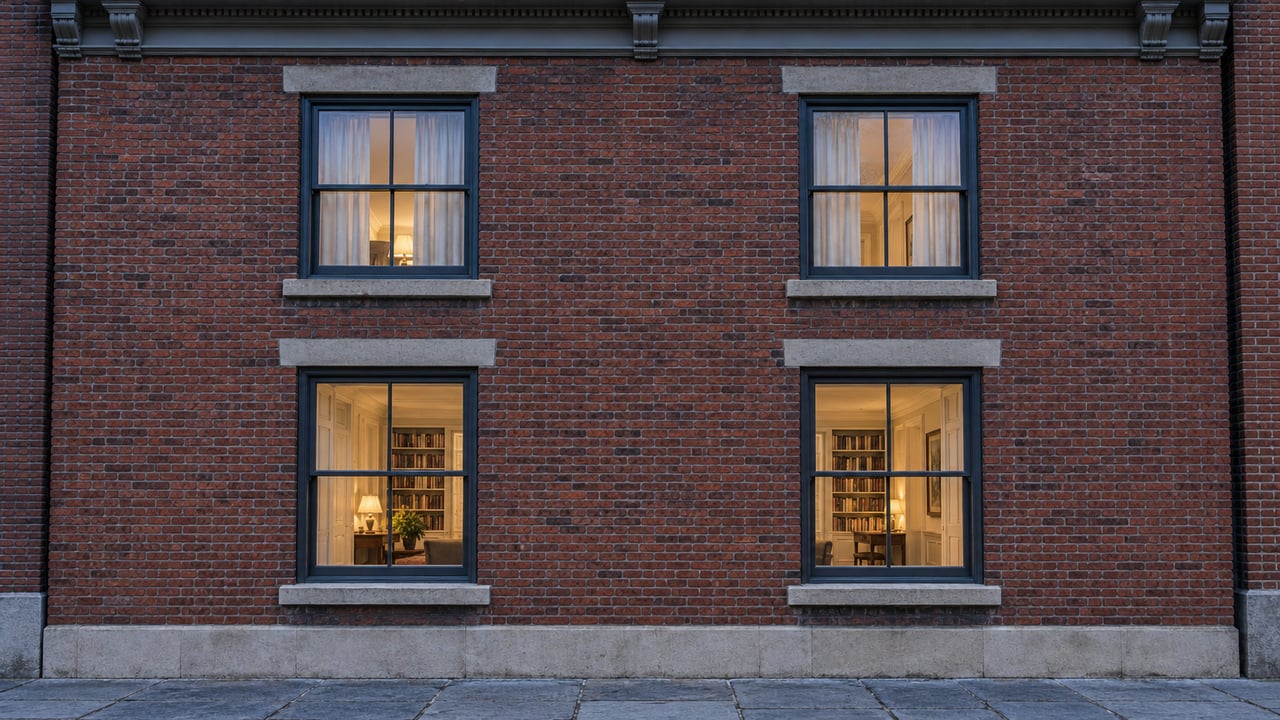
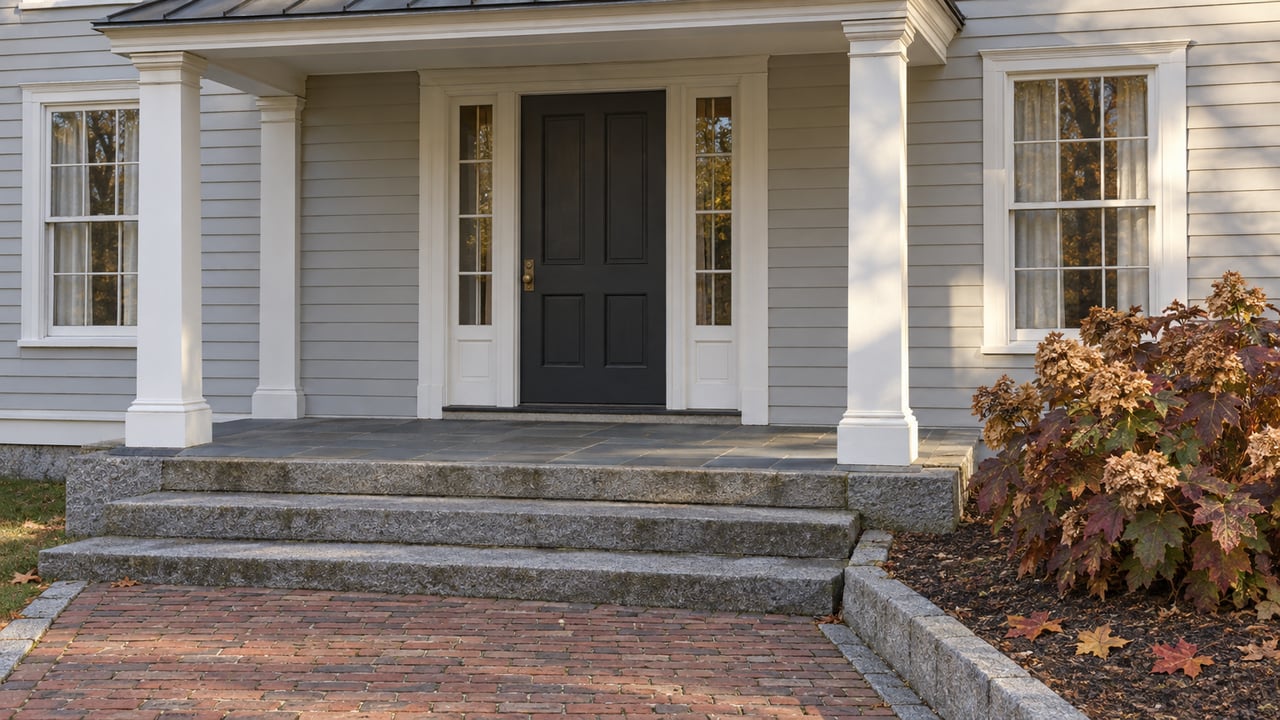
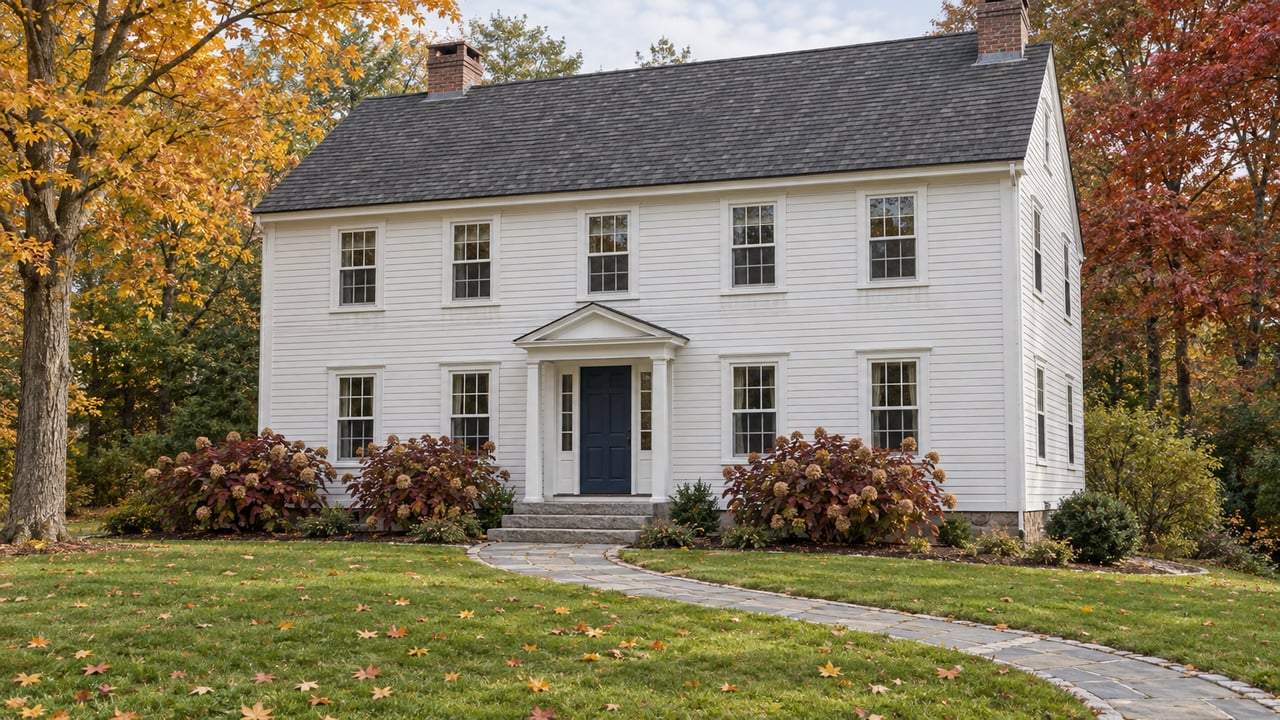
In Weston, “classic” covers a wide range of styles. The town’s architectural guide includes Colonial, Georgian, Federal, Greek Revival, Italianate, Queen Anne, Shingle, Tudor, Bungalow, Cape Cod, Colonial Revival, and even International Style homes. That means older does not always mean traditional in the same way.
Weston also includes distinctive mid-century homes, including Techbuilt designs. These homes were created with flexible floor plans, large expanses of glass, and a stronger connection to outdoor space. Many started smaller and were later expanded, so the older-home category in Weston can include both formal period houses and more open, design-forward layouts.
Why buyers choose classic homes
For many buyers, classic Weston homes offer something that newer construction cannot easily replicate: architectural character and a sense of provenance. You may find original details, established landscaping, and a setting shaped by decades rather than a recent build cycle. If you enjoy the idea of restoring, updating, or tailoring a home over time, this segment often offers the most opportunity.
Classic homes can also make sense if you want to create value through renovation. An older home with good bones may give you the chance to improve layout, systems, and finishes in a way that better fits your needs. For buyers who are comfortable making design decisions and managing a longer process, that flexibility can be a real advantage.
The trade-offs with older homes
The charm of an older home often comes with more uncertainty. Weston’s homeowner survey found that residents commonly agreed their homes are difficult or expensive to maintain, not energy efficient, and in need of renovations. If you are buying an older property, it is smart to assume that project planning and ongoing upkeep will be part of ownership.
Energy performance is one of the clearest differences. The U.S. Department of Energy notes that many older homes have less insulation than homes built today, and a home energy assessment can help identify where improvements matter most. Mass Save also offers no-cost assessments and incentives for insulation, air sealing, and efficient equipment, which can be especially helpful when evaluating an older home’s upgrade path.
Lead is another important due-diligence issue. Massachusetts states that homes built before 1978 may contain lead, and sellers and agents must notify buyers. If renovation work will disturb painted surfaces, lead-safe requirements apply, so this should be part of your planning from the start.
Preservation review can affect plans
In Weston, older homes may come with local review requirements that matter before you make major changes. The town has one local historic district, 10 National Register districts, and 26 historic areas. Properties built before 1945 that are listed on the Historic Resource Inventory or shown on the Historic Areas map are subject to Historical Commission review for partial demolition, exterior repairs and remodeling, or total demolition.
That does not mean improvement is impossible. It does mean your timeline, design options, and approval path may be more involved than expected. If you are considering a classic home because you want to expand or significantly update it, this is one of the first things to verify.
Site limits can shape additions
Even if a home is not subject to preservation review, Weston-specific site conditions can affect what comes next. The town notes that many homes rely on individual septic systems, and septic capacity can constrain additions and accessory dwelling units. Future housing development is also limited by conservation land and other local factors.
In practical terms, if you are buying a classic home with plans for an addition, it is wise to check septic capacity and the local approval path early. Doing that before design work begins can save time, money, and frustration.
What newer homes offer
If your priority is ease, newer homes in Weston usually stand out quickly. Current new-home listings emphasize features many buyers want today, including open floor plans, oversized kitchen islands, mudrooms, offices, first-floor guest or primary suites, and en-suite bedrooms. For buyers who want a layout that works right away, this can remove a lot of guesswork.
Newer homes also tend to offer fewer immediate system upgrades. While every home still needs inspection and ongoing maintenance, new construction generally reduces the odds that you will need to tackle roofing, insulation, or major mechanical updates soon after closing. That can be especially appealing if you want a simpler move.
Energy performance is a real advantage
Energy efficiency is one of the strongest arguments for newer Weston homes. The town states that its specialized energy code applies to new construction only, not existing homes or major renovations. It also notes that new buildings constructed under the updated Stretch or Specialized Code have significantly lower peak heating and cooling loads than existing conventionally built buildings.
For you as a buyer, that can translate into a more comfortable home and a better starting point for long-term operating costs. While no two homes perform exactly alike, newer construction in Weston generally begins with an advantage in this category.
The biggest drawback of newer homes
The challenge is availability and price. Weston’s builder information says roughly 20 new homes are built each year, and most are larger than 4,000 square feet. Between January 2021 and December 2022, 44 new homes were constructed, and the sold homes averaged $3.9 million.
A current Redfin snapshot shows only five new-construction homes, with asking prices ranging from about $3.13 million to $7.55 million and sizes roughly between 7,300 and 8,900 square feet. In other words, newer homes in Weston are typically scarce, large, and positioned at the premium end of the market.
How to decide which is right
The better choice usually comes down to how you want to live and what kind of process you are willing to take on. If you value architecture, established surroundings, and the ability to shape a home over time, a classic home may be the better fit. If you want modern flow, fewer immediate projects, and stronger energy performance from day one, a newer home may make more sense.
A helpful way to compare options is to focus on the following questions:
- Do you want move-in-ready function, or are you open to renovation?
- Is architectural character a priority for you?
- How much time and budget do you want to reserve for post-closing work?
- Would septic limits or local review affect your future plans?
- Are you comfortable paying a premium for newer construction in a low-supply market?
A quick side-by-side view
| Factor | Classic Weston Home | Newer Weston Home |
|---|---|---|
| Availability | More common in Weston | Much more limited |
| Style | Broad mix of historic and mid-century architecture | Typically larger, more modern layouts |
| Layout | May be more segmented, though some older homes are flexible | Often open-concept with current features |
| Maintenance | More likely to need updates and ongoing work | Usually fewer immediate system upgrades |
| Energy performance | Often less efficient without improvements | Stronger out of the gate under newer code |
| Approval complexity | May involve preservation review and septic considerations | Can still require review, but less often tied to historic status |
| Price position | Wide range within a high-value market | Usually at the premium end |
A smart Weston buying strategy
In Weston, the right decision is rarely just old versus new. It is more often about matching the home to your goals, your tolerance for projects, and your long-term plans for the property. Because supply is limited and values are high, careful due diligence can protect both your lifestyle and your investment.
This is where experienced local guidance matters. If you are comparing a historic property with renovation upside to a newer move-in-ready home, you want a clear view of not just price, but also approvals, constraints, and what it may take to make the home work for you. If you are thinking through that choice in Weston, the Salem Coughlin Group can help you evaluate the options with a practical, market-savvy lens.
FAQs
What is the main difference between classic and newer homes in Weston?
- In Weston, classic homes usually offer more architectural character and renovation potential, while newer homes typically offer more open layouts, fewer immediate upgrades, and better energy performance.
Are newer homes hard to find in Weston?
- Yes. Weston has seen limited new housing construction, with roughly 20 new homes built per year according to the town, so newer homes are relatively scarce.
Do older homes in Weston often need more work?
- Often, yes. Weston’s homeowner survey found that many residents view their homes as expensive to maintain, less energy efficient, and in need of renovations.
Can historic rules affect renovations on older Weston homes?
- Yes. Certain properties built before 1945 and identified by the town may be subject to Historical Commission review for demolition, exterior repairs, remodeling, or major changes.
Should buyers check septic capacity before planning an addition in Weston?
- Yes. Weston notes that many homes rely on individual septic systems, and septic capacity can limit additions or accessory dwelling units, so it is important to verify that early.
Are newer Weston homes usually more expensive?
- In general, yes. New construction in Weston is limited and often large-scale, with recent sold new homes averaging $3.9 million according to the town’s builder information.