What if your day in Lincoln felt less like a race to the train and more like a steady rhythm shaped by trails, farms, art, and a small village center? If you are considering a move here, it helps to look past commute times and home styles to understand how daily life actually feels. Lincoln offers a lifestyle grounded in open space, preservation, and a close connection to the landscape. Let’s dive in.
Open Space Shapes Daily Life
In Lincoln, open space is not just a weekend perk. It is part of the backdrop of ordinary routines, from morning walks to after-dinner trail loops. The town features about 80 miles of trails across 2,400 acres of conservation land and private property, with uses that include walking, running, horseback riding, bicycling, skiing, birding, and snowshoeing.
That breadth of access helps explain why the outdoors feels woven into daily life here. Conservation land is generally open from half an hour before sunrise until half an hour after sunset, which gives you room to fit outdoor time into the start or end of your day. For many buyers, that kind of access says as much about lifestyle as any property feature.
Trails for Everyday Use
Mount Misery is one of the clearest examples of Lincoln’s landscape-first identity. It is the town’s largest conservation area at 227 acres, with agricultural fields, woods, hills, ponds, and access to the Sudbury River for canoes and kayaks. The suggested loop is about 2 miles, which makes it approachable for a regular outing.
Flint’s Pond offers another option for a shorter, scenic routine. A short loop around the pond is about 1.5 miles, while a full loop is about 3.5 miles. Because Flint’s Pond is the town’s major water supply, swimming, fishing, boating, and wading are not allowed, which reflects how Lincoln balances recreation with long-term stewardship.
For a route that blends nature and history, the Battle Road Trail adds another layer to everyday life. This five-mile trail in Minute Man National Historical Park links historic sites and passes through fields, wetlands, and forests. The park grounds, trails, and parking areas are open daily from sunrise to sunset, and there is no fee to visit.
Farming Is Part of the Rhythm
Lincoln’s rural feel is not accidental. Town materials make clear that its agricultural landscape has been protected through conscious efforts to preserve large, contiguous farms and maintain historic agricultural use. That commitment shapes the town’s look and feel in a very practical way.
For you as a resident, that can mean more than scenic drives and open views. It also means living in a place where farmland remains an active part of the community pattern. The result is a lifestyle that feels connected to the seasons and to the working landscape around you.
Local Farm Presence
Wheeler Farm and the adjacent Flint Fields show how Lincoln blends preserved land with agricultural history. Wheeler Farm was settled in 1717 and farmed for nearly 250 years. The Flint Fields are described as among the oldest family farms in New England, reinforcing how deeply farming is tied to the town’s identity.
Drumlin Farm adds a more direct food-and-farm element to daily living. The 206-acre sanctuary raises livestock and poultry, grows crops, and produces hay, while also offering CSA shares, a farm stand, and farmers-market presence. If you value seasonal food and a tangible connection to local agriculture, that is a meaningful part of the Lincoln experience.
Arts and Gathering Places Add Depth
Lincoln’s lifestyle is not only about trails and farms. It also includes a strong civic and cultural layer that gives residents places to gather, learn, and take part in community life. That balance can be especially appealing if you want a town that feels active without feeling overbuilt.
The arts have a visible place here, but so do local events, lectures, classes, and shared spaces. Together, these amenities help create a day-to-day experience that feels thoughtful and grounded rather than purely transactional.
deCordova and Year-Round Programming
The deCordova Sculpture Park and Museum is Lincoln’s signature arts destination. It is described as the largest park of its kind in New England, with about 60 outdoor works on view at a time. Year-round programming includes yoga, snowshoe tours, nature walks, and talks, which helps make it feel like part of regular life rather than a one-time outing.
Set on the former de Cordova estate on Flint’s Pond, the property also reflects Lincoln’s blend of landscape and culture. You are not choosing between outdoor access and arts access here. In many cases, the two exist in the same setting.
Civic Spaces That Support Community Life
Lincoln also offers gathering spaces that support community connection in quieter but important ways. The Cultural Council promotes community events and individual artists’ work. The Council on Aging and Human Services offers trips, lectures, classes, and art activities.
Bemis Hall serves as the weekday home of the Council on Aging while also hosting evening and weekend rentals for residents and organizations. Pierce House adds another community anchor, with lawns and woodlands for walking and space for meetings, weddings, and other events. Located in the Lincoln Center Historic District, it also reflects the town’s preservation-minded character.
Lincoln Station Keeps Things Compact
If you are picturing Lincoln as all woods and farmland, there is another side to the story. Lincoln Station functions as the town center, with a commuter rail stop, café, restaurant, supermarket, retail, and business offices. That small commercial core gives residents practical convenience without changing the town’s overall scale.
Planning documents describe a clear goal for this area: a compact, vital, walkable village center with more housing choices near transit and community services. That matters because it shows Lincoln is not growing by spreading outward into strip-style development. Instead, it is concentrating activity in a defined center.
A Different Kind of Convenience
For many buyers, convenience does not have to mean density everywhere. In Lincoln, the appeal is often the opposite. You can have access to daily essentials and commuter rail service in the village core while still living in a town shaped by open land, tree-lined roads, and preserved views.
That balance is part of what makes Lincoln distinct within the broader suburban market. The center remains compact, while the larger landscape continues to define the experience of being here. If you are looking for a place where practical access and rural character coexist, Lincoln makes a strong case.
Housing Character Follows the Landscape
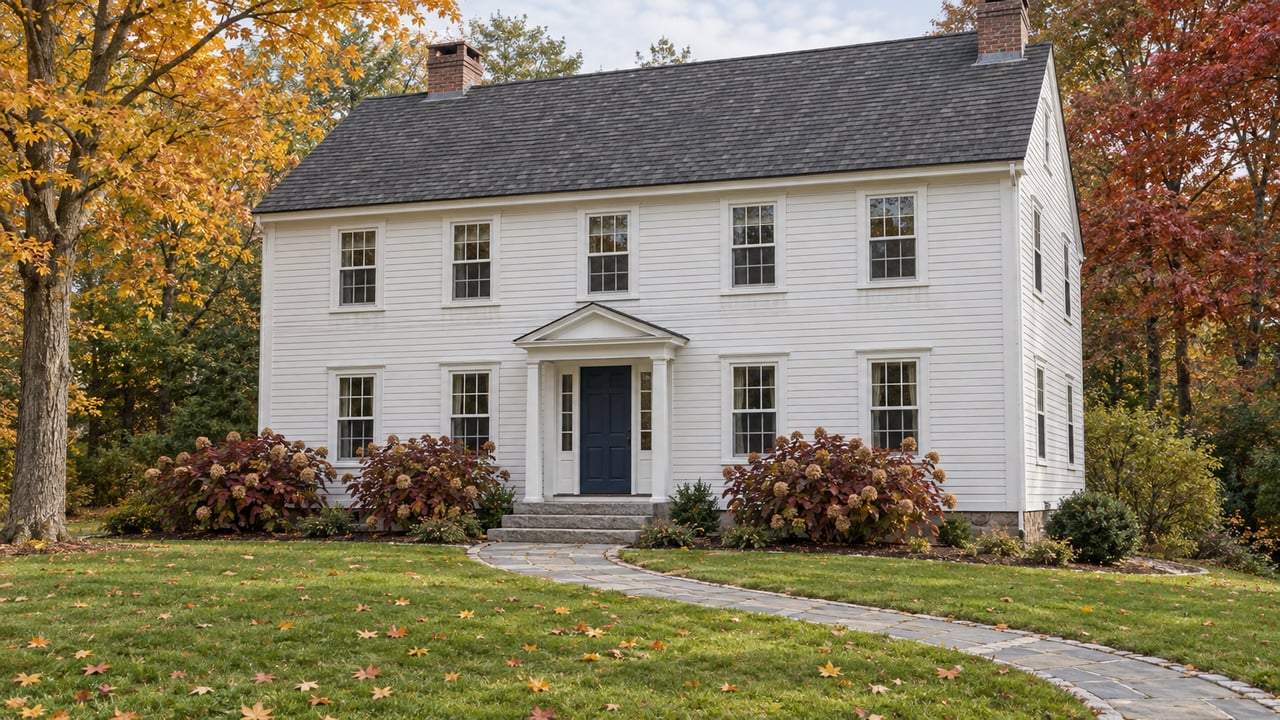
Lincoln’s housing feel is closely tied to the town’s preservation priorities. Town planning and agricultural materials point to a long-standing effort to balance growth with environmental protection while protecting farms, woods, and historic form. In simple terms, the landscape comes first.
That affects how the town looks and how neighborhoods feel. Rather than a pattern shaped by large commercial corridors, Lincoln presents a more landscape-driven environment with residences blended into the setting and a strong emphasis on open views and historic character.
What That Means for Buyers
When you explore Lincoln real estate, you are not just comparing square footage or finishes. You are also weighing access to trails, proximity to the village center, and the experience of living in a place that has intentionally protected its natural and agricultural identity. For many buyers, that broader setting becomes part of the home’s value.
It also means that lifestyle questions matter here. Do you want a shorter walk to Lincoln Station? Do you picture regular trail access from home? Are you drawn to a setting where open land and a small center define the rhythm of the week? Those are often the questions that help narrow the right fit.
Lincoln stands out because it offers more than an easy train connection. It offers a daily lifestyle shaped by conservation land, active farms, arts programming, and a village center designed to stay compact and walkable. If that combination speaks to you, working with a team that understands Lincoln’s character can make your search far more focused and informed.
If you are exploring a move to Lincoln or preparing to sell a home in this unique market, the Salem Coughlin Group can help you navigate the town with local insight and a thoughtful, high-touch approach.
FAQs
What is everyday outdoor life like in Lincoln, MA?
- Lincoln includes about 80 miles of trails across 2,400 acres of conservation land and private property, with common uses such as walking, running, bicycling, birding, skiing, horseback riding, and snowshoeing.
What makes Lincoln, MA feel different from other suburbs?
- Lincoln’s daily lifestyle is shaped by preserved open space, active agricultural land, arts destinations, and a compact village center rather than broad commercial development.
What is Lincoln Station in Lincoln, MA?
- Lincoln Station is the town center and includes a commuter rail stop, café, restaurant, supermarket, retail, and business offices, with planning focused on keeping the area compact and walkable.
Are there farms and local food options in Lincoln, MA?
- Yes. Lincoln’s agricultural program supports farmland preservation, and Drumlin Farm offers CSA shares, a farm stand, and farmers-market presence.
What are some well-known places to visit in Lincoln, MA?
- Notable places include Mount Misery, Flint’s Pond, Drumlin Farm, the Battle Road Trail, deCordova Sculpture Park and Museum, Bemis Hall, and Pierce House.