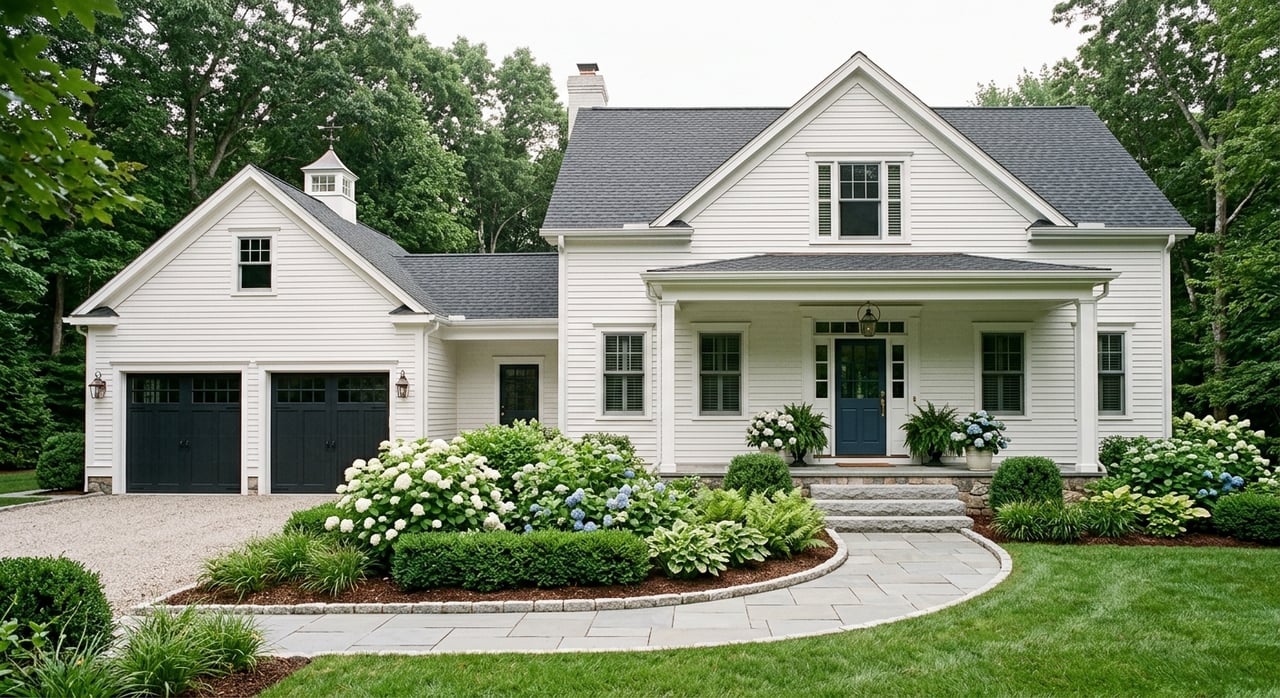
Thinking about trading your Boston condo for a suburban home? It can be an exciting move, but it is also a bigger shift than many buyers expect. You may gain more space, more privacy, and more control over your property, but you also take on new costs, new systems to maintain, and a more complex moving timeline. If you are considering Concord, Lincoln, Weston, or another MetroWest suburb, this guide will help you understand the trade-offs and plan your next step with more confidence. Let’s dive in.
Why the move feels so different
A condo-to-suburb move is not just a change of address. It is a change in how you live, what you maintain, and how you budget month to month.
In Boston, condo living often means less direct responsibility for exterior systems and shared upkeep. In a suburban single-family home, you are more likely to be responsible for the roof, driveway, foundation, yard, and utility-related systems yourself.
That extra responsibility can come with real benefits. You may have more land, more privacy, and more flexibility to shape your home around your lifestyle.
Compare carrying costs, not just tax rates
One of the most common mistakes buyers make is focusing only on the property tax rate. The better comparison is your full annual carrying cost.
Boston’s FY2026 residential tax rate is $12.40 per $1,000 of assessed value. The city also applies a 1% Community Preservation Act surcharge, and qualified owner-occupants may receive the Boston residential exemption, which can reduce the tax bill by as much as $4,353.74 for FY2026.
Nearby suburbs do not all have higher residential tax rates. For FY2026, Concord’s residential rate is $13.05 per $1,000, Lincoln’s is $12.31, and Weston’s is $10.88.
That is why the rate alone does not tell the full story. Assessed values, local exemptions, and each town’s tax structure all affect what you actually pay.
What to include in your budget
When you move from a condo to a suburban home, your monthly and annual costs often shift in several ways. A smart budget should include more than just your mortgage payment.
Be sure to account for:
- Property taxes
- Homeowners insurance
- Repairs and maintenance
- Landscaping or snow removal
- Any HOA dues, if they still apply
- Utility costs that may be higher in a larger home
Boston’s homeowner guidance specifically warns owners not to underestimate maintenance costs. That advice matters even more when you move into a property where you are directly responsible for more systems and more square footage.
Plan the sale and purchase sequence carefully
For many Boston condo owners, the move to the suburbs depends on using proceeds from the condo sale to fund the next purchase. That makes timing one of the most important parts of the process.
As a general baseline, buyers who are moving typically try to sell their current home before buying another one. That does not mean every move follows the same order, but it does highlight the central question: how will your current equity support your next purchase?
Closings also need to be coordinated thoughtfully. The mortgage closing and the home purchase closing usually happen at the same time, so delays in one part of the transaction can affect the rest of your moving plan.
Protections that matter in a suburban purchase
When you buy a suburban home, contract protections can be especially important. Financing and inspection contingencies can give you options if a loan falls through or an inspection reveals serious issues.
That matters because a suburban single-family home may involve more unknowns than a typical condo purchase. You are not just evaluating the interior space. You are also evaluating the condition of the property’s broader systems and site features.
When bridge financing may enter the picture
Some households use temporary bridge financing when they plan to sell their current home within 12 months. This can be a specialized tool for buyers who need flexibility between the sale of the condo and the purchase of the next home.
It is not the right fit for everyone, but it can be part of the conversation if your sale and purchase timing do not line up neatly. The key is to evaluate that option early rather than late.
Expect more due diligence in the suburbs
One of the biggest differences between buying a Boston condo and buying a suburban home is the inspection process. In many suburban transactions, the scope of due diligence expands.
That is because you may be taking ownership of systems that rarely come into play in a condo purchase. Depending on the property, that can include septic, private well, foundation, roof, driveway, grading, and exterior drainage considerations.
Septic inspections and Title 5
In Massachusetts, Title 5 septic systems are typically inspected when a home is bought or sold. MassDEP states that inspections must occur within two years before the transfer.
The inspection report can remain valid for three years if the system is pumped every year and records are kept. Responsibility for arranging the inspection can also be reassigned in writing.
If you are moving from a condo building with shared infrastructure, this can feel like a brand-new category of due diligence. It is one reason suburban home searches often require a more detailed review of the property before you commit.
Private wells require local review and ongoing testing
Private wells are regulated by local boards of health, not MassDEP. MassDEP also strongly encourages owners to test private drinking water at least once a year through a certified laboratory.
For buyers coming from Boston, that can be an adjustment. Water quality, testing schedules, and local requirements become part of ongoing homeownership planning.
Radon should stay on your radar
Radon is another common part of Massachusetts due diligence. MassDEP says radon is the leading cause of lung cancer among people who do not smoke, and about 1 in 4 homes in Massachusetts have high radon levels.
That does not mean every home has a radon issue, but it does mean testing is worth taking seriously. For many suburban buyers, it becomes a standard part of the inspection conversation.
School timing can shape your move
If your move is tied to a school-year deadline, your housing strategy may need to work backward from registration requirements. In many cases, the closing date is only one part of the timeline.
Each district sets its own enrollment requirements, paperwork, and deadlines. That means a family moving from Boston to Concord, Lincoln, or Weston should review local registration details well before closing.
What local registration rules may require
Concord’s registration process requires two proof-of-residency documents, a birth certificate, any applicable IEP or 504 plan, and recent physical and immunization records. The physical exam must be within one year of entry.
Weston requires a birth certificate, health record, proof of Weston residency, and proof of physical custody if applicable. Weston’s residency policy also allows families with a signed purchase-and-sale agreement to enroll children up to 45 calendar days before actual occupancy if they submit an Intent to Reside form and a tuition deposit.
Lincoln notes that registration for the 2026 to 2027 school year opens in early spring. If a fall start is important, that suggests families should begin paperwork before the closing date.
Why timing matters for your offer strategy
These district-specific rules can affect more than paperwork. They can shape your preferred closing date, your negotiation strategy, and whether you may need short-term housing while waiting for occupancy.
If your move has a firm seasonal deadline, it helps to build your real estate plan around that reality from the start. A thoughtful timeline can reduce stress and help you avoid last-minute surprises.
Prepare for a different kind of ownership
The suburban move is often about more than square footage. It is about stepping into a home where you have greater autonomy and greater responsibility at the same time.
That can be a great trade if it matches your goals. More storage, outdoor space, privacy, and flexibility can make daily life easier, especially if your current condo no longer fits how you live.
Still, the best moves are grounded in clear planning. When you look closely at carrying costs, inspections, timing, and town-specific logistics, you put yourself in a much stronger position to move well.
If you are weighing a move from Boston to Concord, Lincoln, Weston, or another nearby suburb, working with a team that understands both the transition and the local details can make the process far more manageable. The Salem Coughlin Group offers high-touch guidance for buyers and sellers making important suburban moves.
FAQs
What changes when you move from a Boston condo to a suburban home?
- You often gain more space and control, but you also take on more direct responsibility for maintenance, repairs, taxes, insurance, and property systems.
Are suburban property taxes always higher than Boston property taxes?
- No. For FY2026, Concord’s residential rate is $13.05 per $1,000, Lincoln’s is $12.31, and Weston’s is $10.88, compared with Boston’s $12.40, so the full carrying cost matters more than the tax rate alone.
What inspections matter when buying a suburban home in Massachusetts?
- Depending on the property, buyers may need to consider Title 5 septic inspections, private well considerations, radon testing, and the condition of major systems such as the roof, foundation, and driveway.
How should you time the sale of your Boston condo and the purchase of a suburban home?
- Many movers try to sell their current home first, especially if they need sale proceeds for the next purchase, but the best sequence depends on your finances, timing, and contract strategy.
How can school registration affect a move from Boston to Concord, Lincoln, or Weston?
- District paperwork, residency rules, and enrollment timing can influence your closing date, your move-in plan, and whether you may need temporary housing to bridge the gap.