If you are considering a move to MetroWest, daily life can feel a little hard to picture from a map alone. You may know the town names, the commuter routes, or the price points, but what really matters is how your week actually flows once you live there. From commuting and errands to trail walks, town centers, and housing patterns, this guide will help you understand what everyday life looks like in MetroWest. Let’s dive in.
Daily routines in MetroWest
MetroWest offers a suburban routine with stronger town-center activity than many buyers expect. Instead of one dominant downtown, daily life tends to spread across village centers, commuter corridors, neighborhood streets, and local parks.
That means your experience can vary a lot depending on where you land. In some areas, you may be close to a rail stop or a busy center with restaurants and events. In others, you may trade that convenience for more space, a quieter setting, or a different housing style.
Commuting shapes the day
For many households, the rhythm of the day starts with how easily you can get where you need to go. MetroWest has a mix of car travel, regional bus service, commuter rail, and a few rapid-transit access points, so the right fit often depends on your routine.
The MetroWest Regional Transit Authority serves much of the I-495 and MetroWest corridor, including Framingham, Natick, Wellesley, Weston, Wayland, and Sudbury. Its service includes fixed bus routes and paratransit, which adds options for local travel beyond driving.
Boston-bound access is strongest near rail lines and station areas. MassDOT has identified Riverside in Newton as a major Green Line D access point, and the Framingham/Worcester corridor continues to see investment at Natick Center, Wellesley Square, and Newtonville, with a target of all-day 30-minute service to Framingham.
Car access still matters
Even with solid transit options, many cross-town trips still lean heavily on the car. Errands, appointments, sports, shopping, and social plans often do not line up neatly with rail schedules or station locations.
MassDOT has noted peak delays and queueing around the Route 9 and Route 27 interchange in Natick, which reflects a broader truth about the area. MetroWest is connected, but it is still shaped by highways and major roads, especially for everyday trips that are not headed into Boston.
What that means for your routine
If you work in Boston or near a rail stop, living close to a station or transit corridor can make a real difference. If your days involve school drop-offs, local errands, or travel between towns, your driving route may matter just as much as your train access.
This is one reason home searches in MetroWest are often very lifestyle-specific. Two homes can be only a few miles apart but offer very different daily convenience.
Outdoor access is part of normal life
One of MetroWest’s strongest lifestyle advantages is how easy it is to spend time outdoors without planning a full day around it. In many suburbs, outdoor recreation feels occasional. Here, it is often built into the week.
Cochituate State Park in Natick and Wayland centers on Lake Cochituate and includes boating, hiking, swimming, canoeing, kayaking, picnic areas, and boat rentals. For many residents, that means a quick paddle, walk, or lake visit can be part of a normal weekend rather than a special trip.
In Framingham, Callahan State Park offers more than 800 acres and seven miles of marked trails. Uses include hiking, horseback riding, mountain biking, fishing, and cross-country skiing, which adds year-round variety.
Hopkinton State Park adds another large option, with 1,500 acres of forest, more than 10 miles of hiking trails, and seasonal swimming beaches. Taken together, these spaces give MetroWest a level of outdoor access that stands out for a suburban market.
Trails connect more than recreation
The trail network also helps make the region feel more connected. The Mass Central Rail Trail Wayside corridor passes through Weston, Wayland, Sudbury, and Hudson, while the Upper Charles River Reservation extends along the river and connects with the Charles River Pathway toward Cambridge and Boston.
There have also been trail improvements near Newton’s Riverside area. That matters because it reinforces a daily pattern many buyers are looking for: places where walking, biking, and outdoor time feel practical and close to home.
Town centers add energy
MetroWest is suburban, but it is not simply a collection of bedroom communities. Dining, events, arts programming, and civic life tend to cluster in local centers, commons, and smaller downtown areas.
Natick Center is one of the clearest examples. The Natick Center Cultural District includes the Center for Arts in Natick, the Morse Institute Library, the town common, a calendar of concerts and festivals, more than 100 working artists, and dozens of independently owned businesses.
Framingham Centre Common offers a similar sense of activity in a different setting. It is described as a historic civic and commercial node near Route 9, with restaurants, small businesses, Framingham State University, the Danforth Museum, and the Framingham History Center contributing to its mix.
Newton offers a more neighborhood-based feel
In Newton, arts and culture are spread across the city in a more decentralized way. The city maintains an arts calendar, public art, gallery programming, park performances, and an interactive map of organizations and venues.
For buyers, that means culture in MetroWest is very real, but it is usually distributed rather than concentrated. You are more likely to build your routine around village centers, community calendars, and local favorites than around one large nightlife district.
Housing feels different town to town
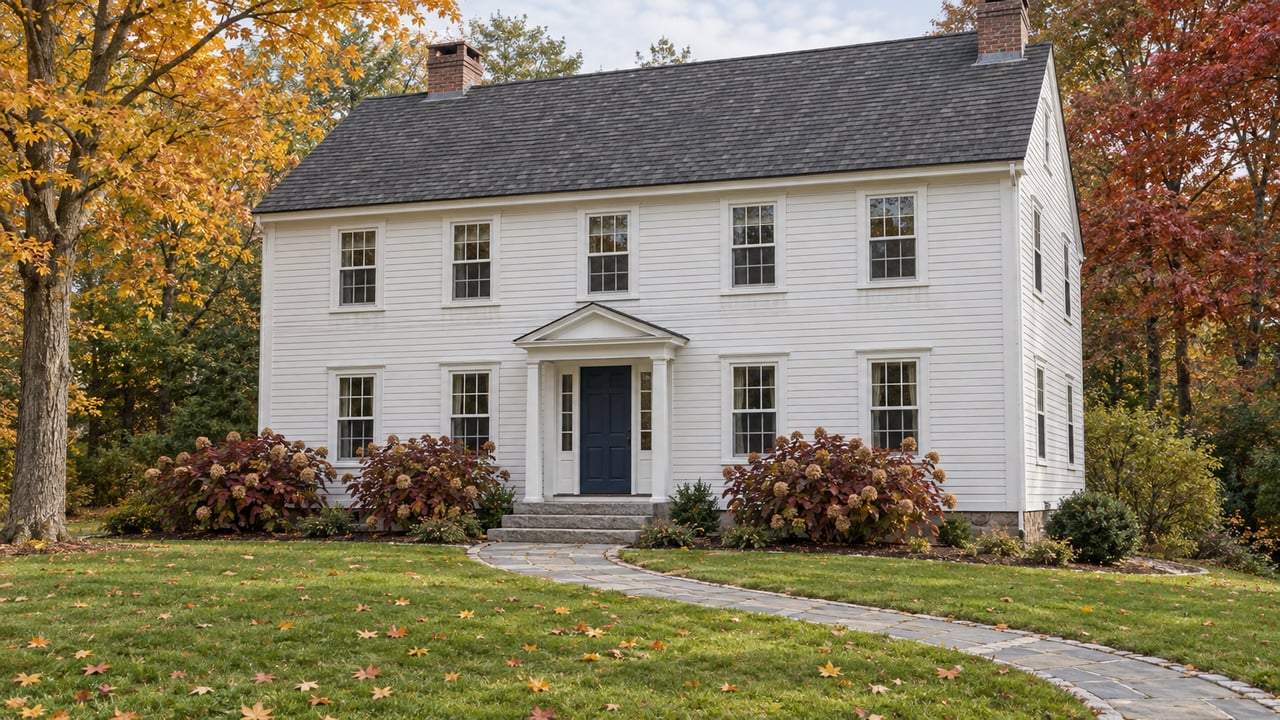
One of the most important things to understand about MetroWest is that the built environment varies sharply by community. The region is not one uniform suburban product.
Newton’s comprehensive plan describes four residential patterns: single-family neighborhoods, areas with a mix of single-family and two-family homes, higher-density multifamily clusters, and mixed-use village centers with residential uses mixed alongside business and institutional uses. That variety can create very different day-to-day experiences within the same city.
Framingham’s housing analysis says its housing stock consists primarily of single-family homes and larger apartment buildings, with a need for more missing-middle housing. Weston’s housing production plan says much of its stock was built from 1950 to 1979 and consisted largely of single-family houses on increasingly expensive land.
Price points and ownership patterns vary too
Census QuickFacts reinforce how wide that range is. Newton’s owner-occupied housing rate is 70.0%, with a median owner-occupied value of $1,264,900. Natick is at 68.2% and $821,000. Framingham is at 54.8%, while Weston is at 87.5% with a median owner-occupied value of $1,694,400.
In practical terms, MetroWest includes older single-family neighborhoods, two-family areas, condo options, apartment concentrations near commercial corridors, and mixed-use settings near stations or town centers. The right fit often comes down to whether you prioritize commute ease, lot size, walkability, or housing type.
What weekends usually look like
Weekends in MetroWest often blend errands, outdoor time, and local center activity. You might start with a trail walk or lake outing, then head into a town center for lunch, a library visit, or an event on the common.
Because the region has several active sub-centers, your routine may be more layered than in a typical outer suburb. You do not always need to head into Boston to fill your weekend, but you also may find that your plans stretch across multiple towns depending on what you like to do.
That mix is part of the area’s appeal. MetroWest can offer space and a suburban pace while still giving you access to culture, recreation, and commuter links that support a fuller weekly rhythm.
Is MetroWest the right fit for you?
The most honest answer is that MetroWest works best when your home choice matches your actual routine. If you want easier Boston access, station areas and transit-connected locations may rise to the top. If you care more about land, privacy, or a quieter residential setting, a different town or neighborhood pattern may suit you better.
This is also why broad labels can be misleading. MetroWest is not just commuter suburb, not just highway corridor, and not just town-center charm. It is a region with real variety, and that variety is often the point.
If you are weighing a move, it helps to look beyond commute times and listing photos. The better question is how you want your mornings, afternoons, and weekends to feel once you are here.
If you are exploring MetroWest and want a more tailored read on which towns, neighborhoods, and housing patterns best match your routine, the Salem Coughlin Group can help you navigate the market with local perspective and thoughtful guidance.
FAQs
What is daily commuting like in MetroWest suburbs?
- Daily commuting in MetroWest often combines car travel with regional bus service, commuter rail, and some rapid-transit access, but many cross-town trips still depend heavily on driving.
What does outdoor recreation look like in MetroWest?
- Outdoor recreation in MetroWest is part of everyday life for many residents, with access to places like Cochituate State Park, Callahan State Park, Hopkinton State Park, and regional trail corridors.
What are MetroWest town centers like for dining and culture?
- MetroWest town centers tend to offer dining, arts, events, libraries, and small businesses in village-style settings rather than in one single urban core.
What types of homes are common in MetroWest suburbs?
- Housing in MetroWest ranges from single-family homes and two-family areas to condos, apartments, multifamily clusters, and mixed-use village-center housing, depending on the town.
What makes daily life in MetroWest different from other suburbs?
- Daily life in MetroWest stands out for its mix of suburban space, stronger town-center activity, meaningful outdoor access, and realistic commuter connections to Boston and nearby job centers.