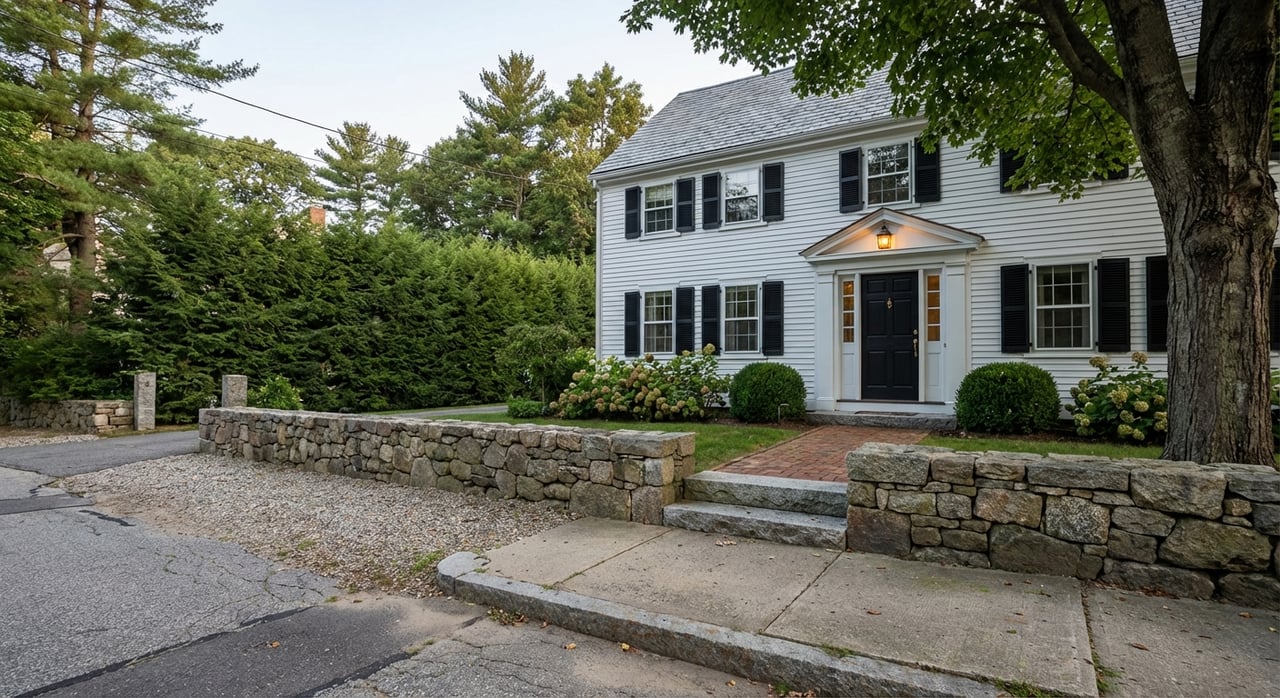
Thinking about a move to Concord but want the real picture before you decide? You are not alone. Many buyers are drawn to Concord’s mix of classic New England charm, respected schools, preserved open space and a manageable Boston commute. In this guide, you will get a clear sense of day-to-day life, neighborhood rhythms, housing costs and practical tips so you can decide with confidence. Let’s dive in.
Concord at a glance
Concord sits about 20 miles west of Boston, with a compact historic center and several small village hubs, including West Concord, Thoreau Depot and Nine Acre Corner. The town blends sidewalks and small shops with tree-lined streets and access to nature. You will notice the civic core around Monument Square, museum sites, the library and local restaurants that make errands easy and pleasant. For an overview of the town’s layout and history, start with the town’s own summary on the About Concord page.
By the numbers, Concord is a small, affluent community with a strong family presence and a notable share of older adults. Recent Census-based estimates show a population near 18,000, a sizable under-18 cohort, and median household income around $195,000. The mean commute time hovers in the 32 to 33 minute range across travel modes, a helpful benchmark as you weigh work logistics. You can explore these metrics in the ACS profile for Concord on CensusReporter.
Neighborhood rhythms and feel
Concord Center
Concord Center is the town’s historic heart. You will find stone monuments, independent shops, cafés, the Concord Free Public Library and a cluster of notable museums within a short walk. It is easy to pair a coffee run with library time or a quick museum visit. Weekday mornings feel local and relaxed, while spring through fall weekends bring visitors for history and culture. The town’s overview captures the walkable layout and key sites on the About Concord page.
West Concord
West Concord has a village vibe with small businesses, bakeries and cafés near its MBTA commuter rail stop. It feels a touch more mixed-use than residential pockets elsewhere, and it is a daily hub for commuters headed to Boston. Trails connect in and around the village, and many residents use the station area as a launch point for errands and outdoor time. For station specifics and schedules, see the West Concord station guide.
Thoreau Depot, Nine Acre Corner and beyond
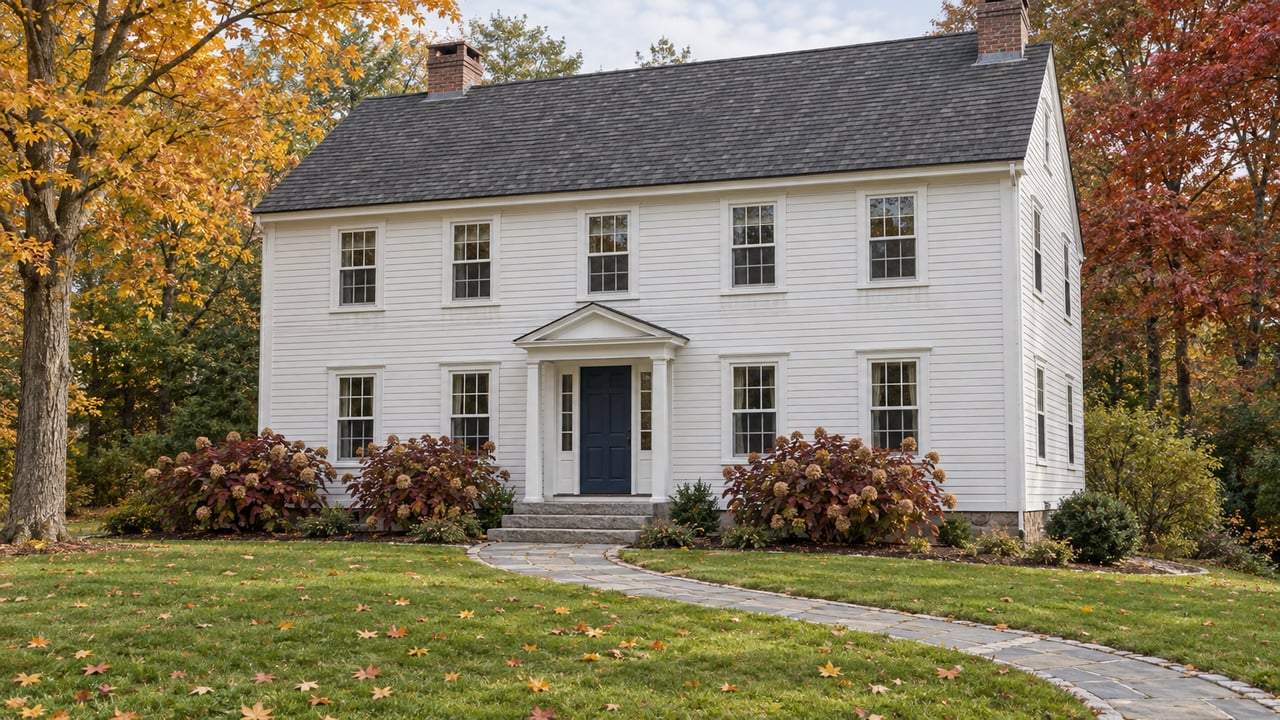
These smaller commercial clusters serve nearby neighborhoods that range from historic Colonials to mid-century and newer construction. As you move away from the village centers, homes sit on larger lots with more wooded surroundings and quick access to conservation land. Daily life here is quiet, with short drives back to town centers for shopping and dining.
Open space, every day
Concord’s outdoors is not just a weekend perk. It shapes daily routines. You can swim, walk or hike at the Walden Pond State Reservation, and explore Walden Woods and nearby trails. For background on access and stewardship, read the Walden Woods Project’s FAQ. Birders and walkers frequent the broad wetlands and river views at the Great Meadows National Wildlife Refuge. These places make it easy to reset before or after work, and they anchor many family traditions.
Schools and family resources
Public schools overview
Concord Public Schools operate K to 8 across three elementary schools and a middle school, with grades 9 to 12 attending Concord–Carlisle Regional High School. Families often cite the public system as a major draw thanks to strong academics and a wide range of activities. For enrollment details, calendars and program information, visit the district’s site.
Concord–Carlisle High School earns strong reviews in statewide comparisons and posts high AP participation and graduation rates. For an at-a-glance performance profile, see MassSchoolRankings’ Concord–Carlisle High page. As always, explore firsthand and consider fit for your student’s interests.
Private and early education options
Concord also offers respected private schools, including Concord Academy and Middlesex School at the secondary level, plus options like Fenn School and Nashoba Brooks for younger students. These schools provide alternatives for families seeking specific programs or a smaller-school experience.
Childcare, enrichment and recreation
After-school and weekend schedules fill up quickly here. The town-run Beede Center offers swim and fitness programs, the library runs robust children’s programming, and local arts groups host classes, camps and performances. Expect waitlists for some high-demand options, so put registration dates on your calendar early.
Healthcare access
Emerson Health’s main campus is in town and provides a 24/7 emergency department and many outpatient specialties. For details on services and directions, review Emerson Hospital’s main campus page. Many residents also use Boston academic medical centers for specialized care through formal referral networks.
Getting around and commuting
MBTA commuter rail
Concord and West Concord are on the MBTA Fitchburg Line to Boston’s North Station. Trains are a practical option for weekday commutes, though seat availability and timing can vary during peak periods. The West Concord station guide is a good starting point, and the Concord station serves the town center.
Driving and traffic patterns
Route 2 is the primary east-west artery toward Boston, with quick access to Route 128-95 and I-495 for regional travel. Plan for extra time during rush hours. The ACS-based mean commute time of roughly 32 to 33 minutes is a useful benchmark, but your actual window will vary by work location, parking and time of day. For errands and dining, town-center parking works well on typical weekdays but can tighten up on busy weekends.
Housing snapshot and what to expect
Concord is an expensive Metro Boston suburb. Zillow’s home-value index shows Concord’s typical home value in the seven-figure range, with the local figure around $1.39 million as of January 2026. Most single-family homes will list and sell above $1 million, while smaller condos or older, modest homes can be less. For a sense of market pace and regional context, Zillow’s county snapshot has shown tight supply and relatively quick days to pending, with recent county-level medians near the three-week mark. You can review the broader Middlesex County snapshot on Zillow’s home values page.
Beyond purchase price, plan for property taxes and utilities that align with an affluent suburb. Concord also operates its own municipal light plant and provides a robust set of local services. For a town profile and links to current tax-rate information, check the Massachusetts Municipal Association’s Concord page.
Buyer and seller tips
- If you are buying, get fully underwritten pre-approval and be ready to tour quickly. Competitive homes can move in weeks, not months.
- If you are selling, thoughtful preparation pays off. Strategic updates, staging and high-caliber photography help capture attention and maximize your net proceeds.
- Partner with a local expert who understands micro-neighborhood nuances, school calendars and timing, and commuter preferences.
A week in real life
- Monday: Coffee and a library stop in Concord Center before a commuter rail ride to Boston. An evening walk in your neighborhood or a quick loop on a nearby trail.
- Tuesday: Kids’ swim or fitness at the Beede Center, with takeout from a West Concord café.
- Wednesday: After-school time at the library or a museum program, then dinner on Main Street.
- Thursday: Early-morning run around Walden, or a quiet paddle nearby when in season.
- Friday: Community arts at a local performance, or a concert at a neighborhood venue.
- Saturday: Guests in town for Minute Man history, shopping in the Center and a river walk at Great Meadows.
- Sunday: Brunch in West Concord, prep for the week and time outside before sunset.
Is Concord right for you?
If you value a small-town center, well-regarded public and private school options, preserved open space and a realistic Boston commute, Concord delivers. The trade-offs are real too. Housing is expensive, inventory can be limited, and popular sites draw weekend visitors. With clear expectations and the right guidance, many buyers find that the quality of life is worth the premium.
Ready to talk next steps or time your move to the market? Connect with the Salem Coughlin Group for local insights, tailored buyer representation or premium listing strategy. Request a Confidential Market Valuation and let’s plan a smooth, value-focused transition.
FAQs
What makes Concord’s location convenient for Boston commuters?
- Concord sits about 20 miles west of Boston with two Fitchburg Line commuter-rail stops and direct access to Route 2, making day-to-day commuting practical for many.
How strong are Concord’s public schools?
- Concord Public Schools and Concord–Carlisle High School are well regarded, with CCHS ranking highly in statewide comparisons. See the district site and MassSchoolRankings for details.
What does the typical commute time look like from Concord?
- ACS data show a mean travel time of roughly 32 to 33 minutes, though your door-to-door time depends on workplace location, train schedules or peak-hour traffic.
How expensive is housing in Concord right now?
- It is a premium market. Zillow places Concord’s typical home value in the seven figures, around $1.39 million in early 2026, with many single-family homes listing above $1 million.
Which village centers should I know?
- Concord Center is the historic, walkable core. West Concord offers a commuter-rail hub and café culture. Thoreau Depot and Nine Acre Corner are smaller centers serving nearby neighborhoods.
What outdoor recreation is nearby?
- Walden Pond and Walden Woods offer hiking and swimming, and the Great Meadows National Wildlife Refuge provides birding and river views. Trails and conservation areas are part of daily life.
Is there a hospital in town?
- Yes. Emerson Health’s main campus provides a 24/7 emergency department and many specialties. Learn more on the Emerson Hospital page.