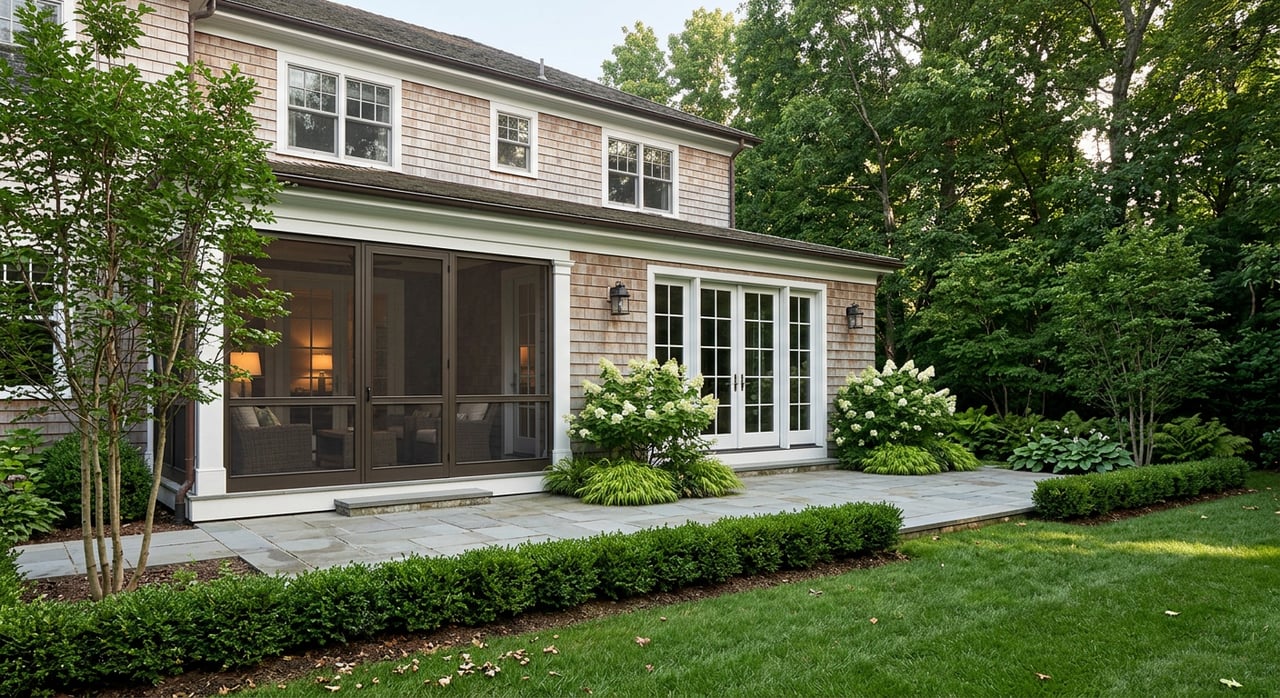
Choosing between Lincoln and Concord can feel like splitting hairs. Both offer top-tier public schools, beautiful open space, and convenient access to Boston. The difference comes down to how you want to live day to day. In this guide, you will compare schools, lot size and architecture, privacy and conservation land, commuting options, and price so you can choose the suburb that fits your lifestyle. Let’s dive in.
Quick snapshot: Lincoln vs. Concord
- Price context: Zillow’s Home Value Index places typical home values around $1.46M in Lincoln and $1.39M in Concord as of early 2026. See the latest data for Lincoln and Concord.
- Schools: Lincoln feeds into Lincoln–Sudbury Regional High School. Concord attends Concord–Carlisle High School. Both report very strong academic outcomes and graduation rates near 99 percent, supported by broad extracurriculars. Compare profiles at Lincoln–Sudbury and Concord–Carlisle.
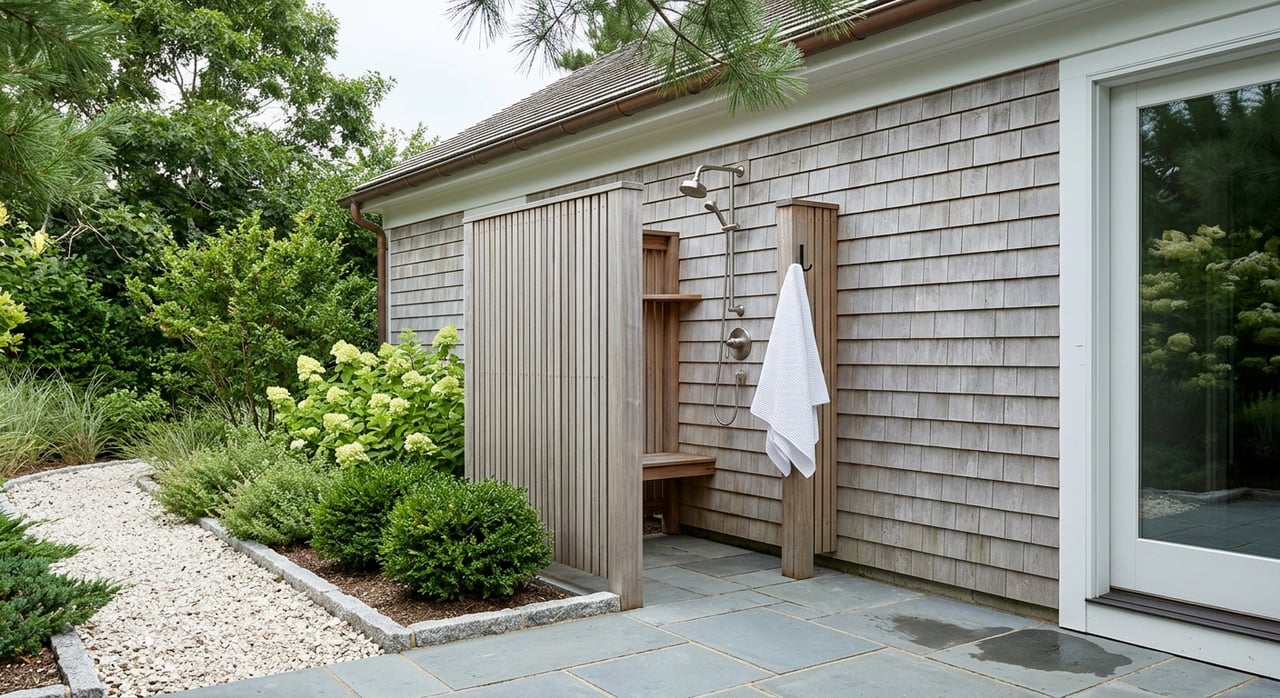
- Land and privacy: Lincoln skews rural with larger estate lots and modernist standouts. Concord blends historic, walkable centers with substantial conserved land and scenic river corridors.
- Commute: Both sit on the MBTA Fitchburg Line. Lincoln has one station in town. Concord offers two stations in Concord Center and West Concord for village access. Learn more about Lincoln Station.
Schools: two high-performing paths
High schools
For many buyers, high school fit leads the decision. Lincoln–Sudbury Regional High School and Concord–Carlisle High School are peers in Massachusetts public education, with reported graduation rates near 99 percent and competitive test profiles. Review program breadth, AP participation, and extracurriculars directly on Lincoln–Sudbury’s profile and Concord–Carlisle’s profile.
What often breaks the tie is how your student plugs in. Consider athletics and performing arts, STEM and robotics, theater and music, and the overall school size and culture that works best for your family.
Elementary and K–8 context
- Lincoln operates a single K–8 campus followed by Lincoln–Sudbury for grades 9–12. Families often value the small-scale, community feel in the early years.
- Concord has multiple elementary and middle schools across village neighborhoods. You will see more in-town program variety, and many families also explore local independent day schools.
How to decide on schools
- Start with your student’s priorities: specific courses, arts or athletics, and school size.
- If you value private school proximity in town, Concord places you closer to several independent options.
- If a compact K–8 pipeline and a highly ranked regional public high school appeal to you, Lincoln is a natural fit.
Lot sizes and architecture
Lincoln: rural feel and design-forward homes
Lincoln attracts buyers seeking acreage, privacy, and architecturally distinctive homes. You will find country estates, working farms, and mid-century modern properties. The town is home to modernist landmarks like the Gropius House and the deCordova Sculpture Park and Museum, a contemporary art destination set within woodlands and water features at deCordova.
Zoning in Lincoln generally favors low-density residential neighborhoods, which helps preserve the rural character. If you are evaluating a specific parcel, confirm current zoning, overlays, and any planned updates with the town before you design or build.
Concord: historic villages and varied lots
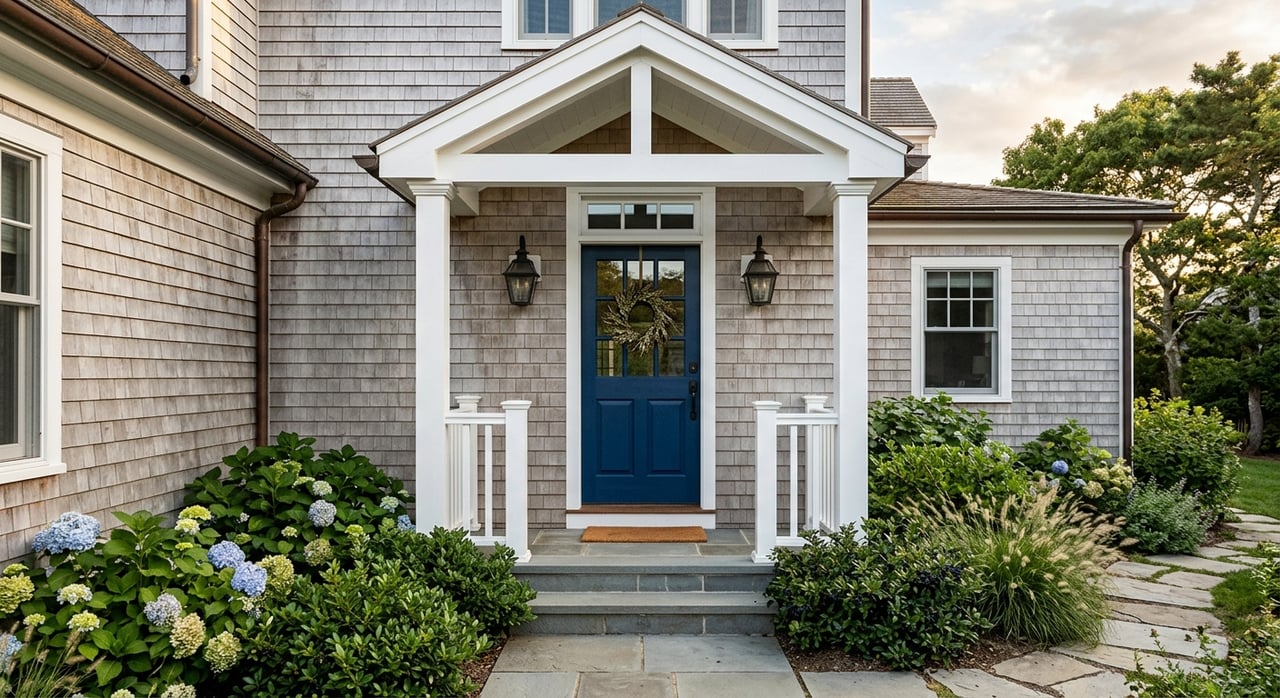
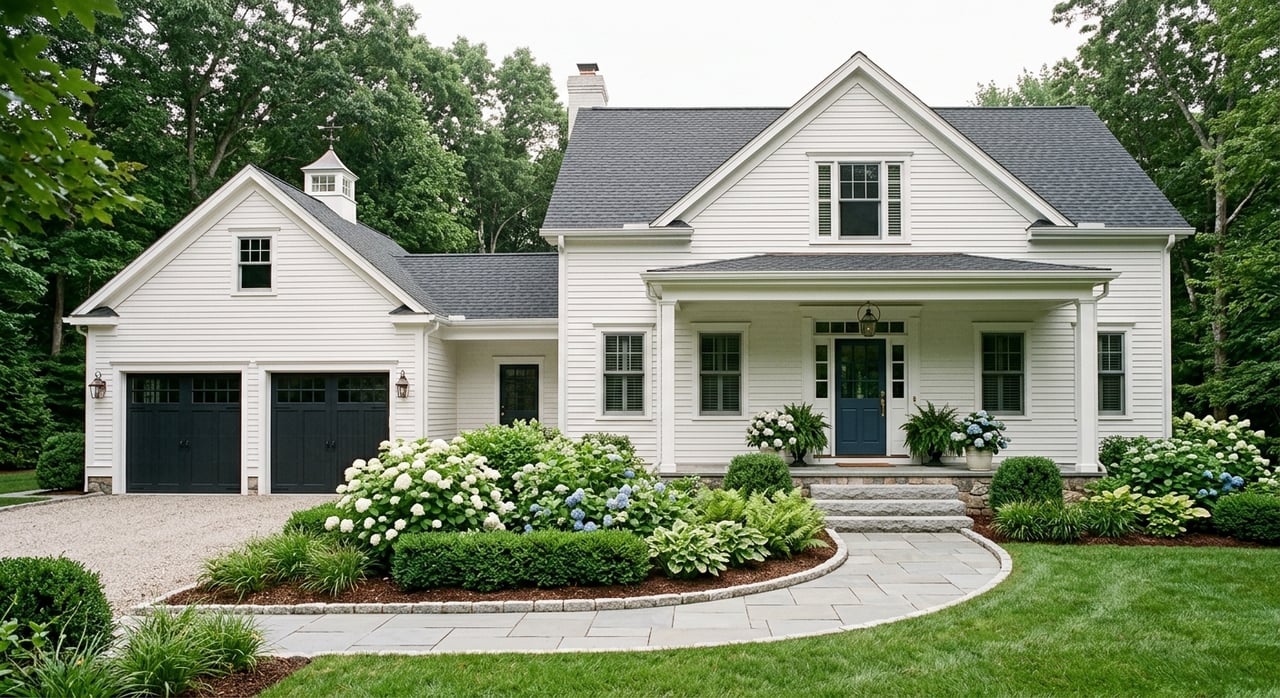
Concord offers a classic New England village lifestyle around Concord Center and West Concord, with sidewalks, shops, and historic architecture. You will see Colonial, Federal, Greek Revival, and Victorian homes near the center, along with neighborhoods of larger parcels and river-valley settings on the town’s edges. Lot sizes range from compact village lots to multi-acre properties.
If you are exploring a renovation or a rebuild, plan ahead for historic district guidelines and neighborhood-specific lot requirements. Concord also benefits from a large share of permanently protected land that maintains privacy and scenery across many neighborhoods.
Privacy and conservation land
Both towns are leaders in open-space stewardship, which translates into daily trail access, wildlife corridors, and long-view privacy.
- Lincoln Land Conservation Trust reports hundreds of acres owned, with additional land under conservation restrictions. Explore mission and holdings at the Lincoln Land Conservation Trust.
- Concord Land Conservation Trust owns more than 900 acres and holds many conservation restrictions, complemented by town, state, and nonprofit partners that protect major preserves. See the Concord Land Conservation Trust.
Everyday access is exceptional. Residents frequent Walden Pond State Reservation, Minute Man National Historical Park, Estabrook Woods, and the Spencer Brook and Wright Woods corridors. If daily trailheads and quiet backdrops matter to you, you will find compelling options in both towns. Lincoln tends to feel more intimate and estate-oriented. Concord combines village life with destination-scale preserves.
Buyer checklist for privacy
- Confirm whether a property abuts or includes conservation land or restrictions.
- Ask about trail easements, rights-of-way, and any public access agreements.
- Review recent Community Preservation Act activity to understand the town’s conservation priorities.
Commuting and day-to-day logistics
MBTA Fitchburg Line
Both towns sit on the Fitchburg Line to Boston’s North Station. Lincoln has a single station in town. Concord offers two stations, including walkable access to restaurants and services near the West Concord village hub. Always test your peak-hour run times and check parking or drop-off logistics at your preferred station. Get station context for Lincoln.
Driving and highways
Route 2 is the main east–west corridor to Cambridge and Boston, with quick connections to Route 128 and I–95. Typical peak drive times to central Boston vary widely by time of day. Proximity to Hanscom Field and the Hanscom Air Force Base area is a plus for some regional employers.
Practical tip: Consider which parent will handle school drop-off and after-school pickups when you weigh a village location vs. a more private estate setting.
Pricing, inventory, and resale
Zillow’s local indexes show both markets in similar high price bands. As of early 2026, typical values are about $1.46M in Lincoln and $1.39M in Concord. Check the latest snapshots for Lincoln and Concord.
Inventory mix drives how you buy and sell:
- Concord often has more total listings and a wider range of options near the centers, including smaller homes and some village condos. That can mean more entry points for buyers and broader resale comparables.
- Lincoln’s market skews to single-family estates on larger lots, along with architecturally notable properties. The buyer pool is focused and discerning, which can impact time on market and pricing strategy.
Taxes and fees change year to year. Before you finalize a budget, confirm the current fiscal-year tax rate and any exemptions with each town’s Assessor or Finance office.
Which suburb fits your lifestyle
Use this quick scorecard. Rate each item 1 to 5, then see which town you lean toward.
- Commute needs: If village-center train access and two station choices matter most, score Concord higher. If you want a quiet base with simple Route 2 access, score Lincoln higher.
- School priorities: If in-town access to independent school options is a plus, lean Concord. If you value a compact K–8 community that leads to a high-performing regional public high school, lean Lincoln.
- Lot and privacy: If you prefer multi-acre properties and design-forward homes in a rural setting, lean Lincoln. If you want historic streetscapes and walkable amenities, lean Concord.
- Conservation and outdoors: If you want intimate, estate-adjacent trail networks, lean Lincoln. If you want village life plus destination preserves like Walden, lean Concord.
- Resale and market depth: If you want a broader buyer pool and more price tiers, lean Concord. If you seek a distinctive estate market with architectural provenance, lean Lincoln.
Ready to compare on the ground
The right choice comes into focus when you tour neighborhoods, walk trailheads, ride the train during your actual commute, and stand on a few lots at different times of day. If you are weighing a renovation or custom build, early guidance on zoning, historic review, and project sequencing can save time and protect value.
If you want seasoned, local advice tailored to how you live, connect with the Salem Coughlin Group. Our senior-led team pairs deep Concord and Lincoln expertise with modern Compass tools to streamline your search, coordinate pre-market improvements, and negotiate with confidence.
FAQs
What are the main differences between Lincoln and Concord for homebuyers?
- Lincoln leans rural with larger lots and modernist or estate homes, while Concord blends historic, walkable centers with a wide mix of lot sizes and strong open-space connections.
How do Lincoln–Sudbury and Concord–Carlisle high schools compare?
- Both are highly regarded public high schools with reported graduation rates near 99 percent and strong academics. Program fit and extracurriculars often drive the decision.
What is the commute like from Lincoln and Concord to Boston?
- Both use the MBTA Fitchburg Line to North Station. Concord has two stations for village access. Driving via Route 2 to Boston or Route 128 varies with traffic and time of day.
How do conservation lands affect privacy and recreation in these towns?
- Extensive land trust holdings and protected areas in both towns provide trail access and preserve buffers around many neighborhoods, which supports privacy and outdoor living.
Are home prices higher in Lincoln or Concord right now?
- Recent Zillow indexes place both in a similar high range, with Lincoln’s typical value slightly above Concord’s. Individual neighborhoods and property types vary widely.
Which town is better for walkability and amenities?
- Concord typically offers more walkable village centers with shops and restaurants near the train. Lincoln emphasizes quiet residential settings and estate-scale privacy.